Material Affirmations - ORÍKÌ Acts I–III
Exhibition / Publication
Dates: 6th of November, 2025 - 10th of January, 2026
Location: Tiwani Contemporary, Lagos, Nigeria
Photos by: Erik Benjamins
Purchase publication here
ACT I
ACT II
ACT III
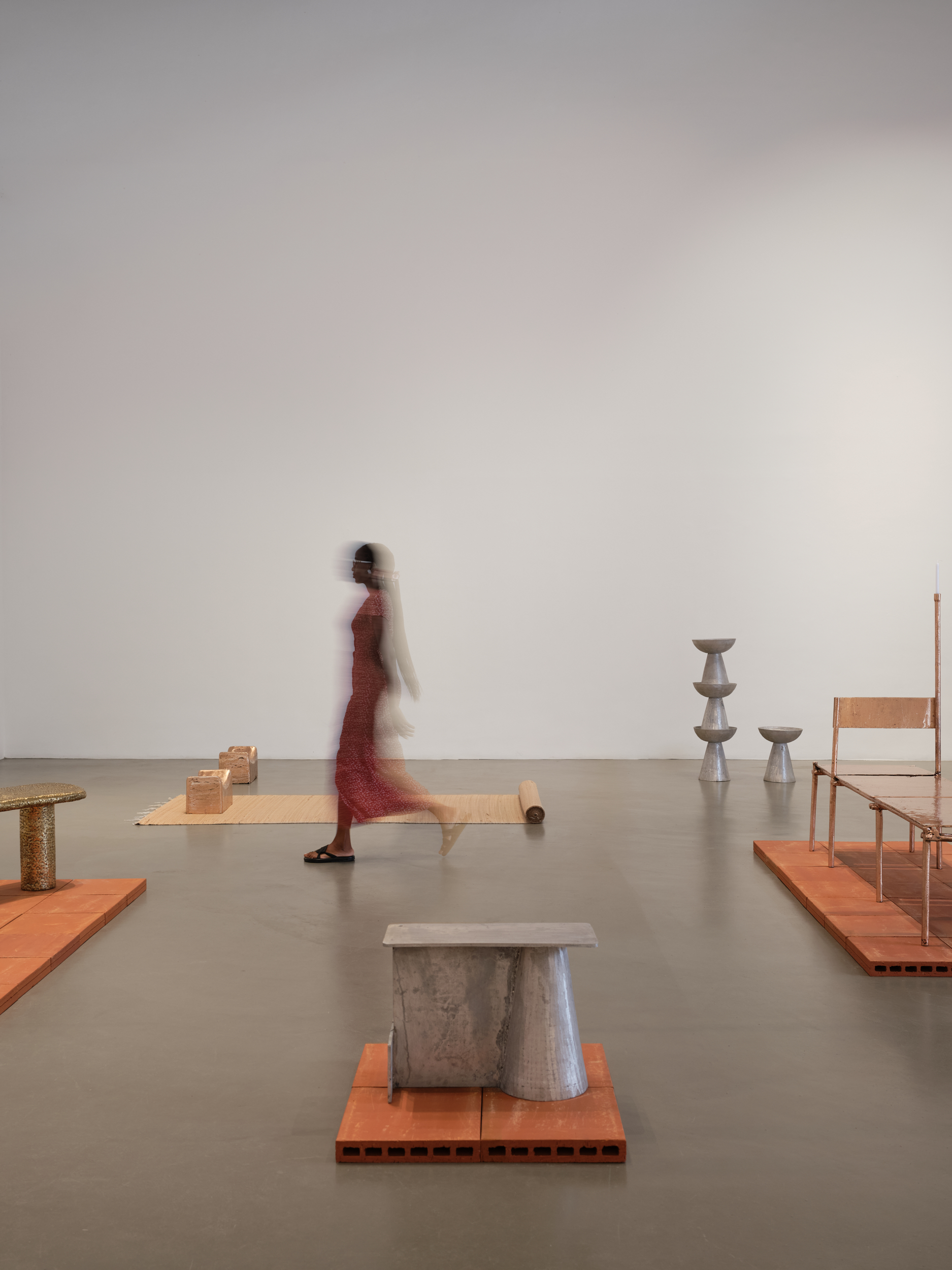
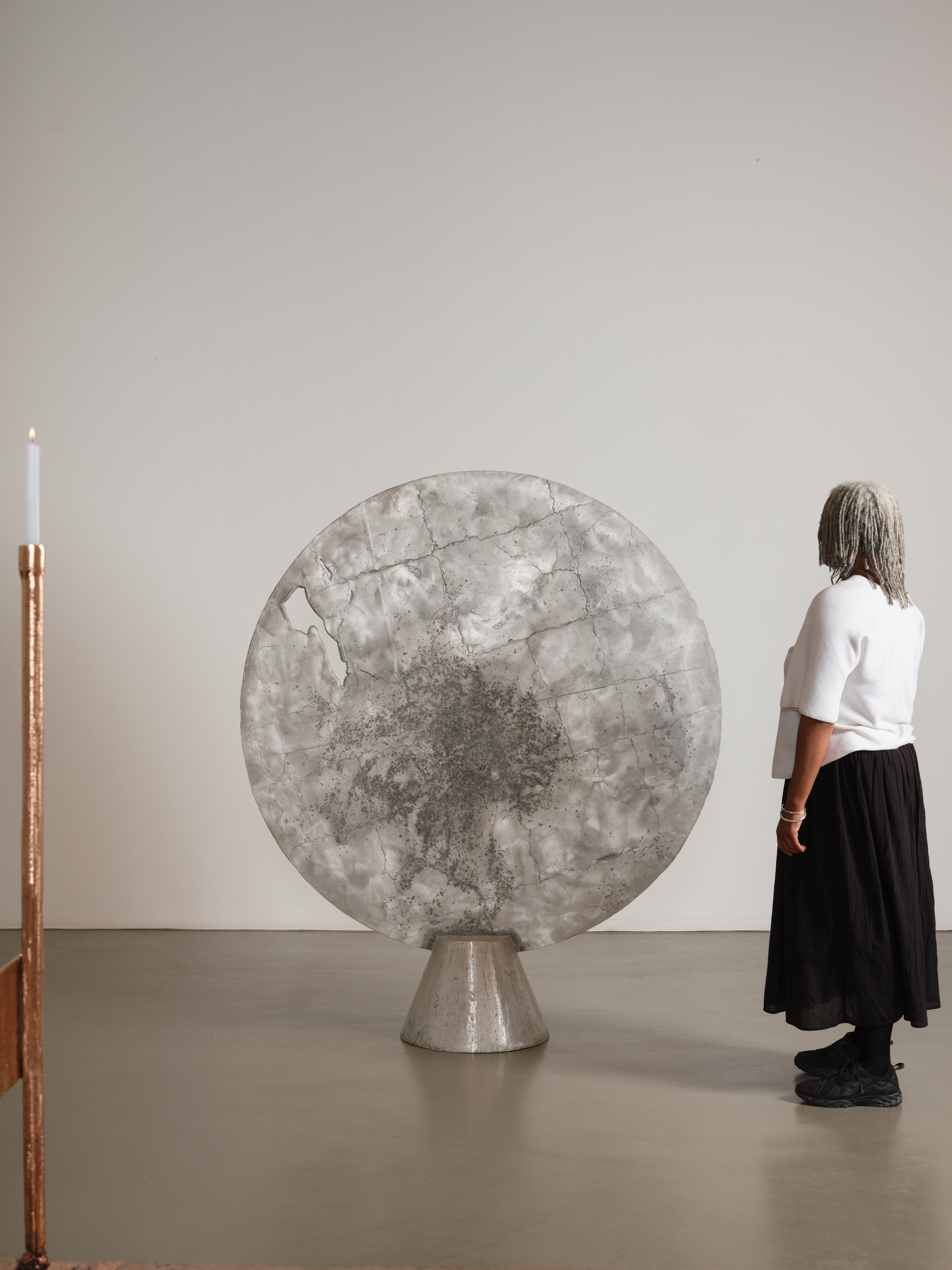
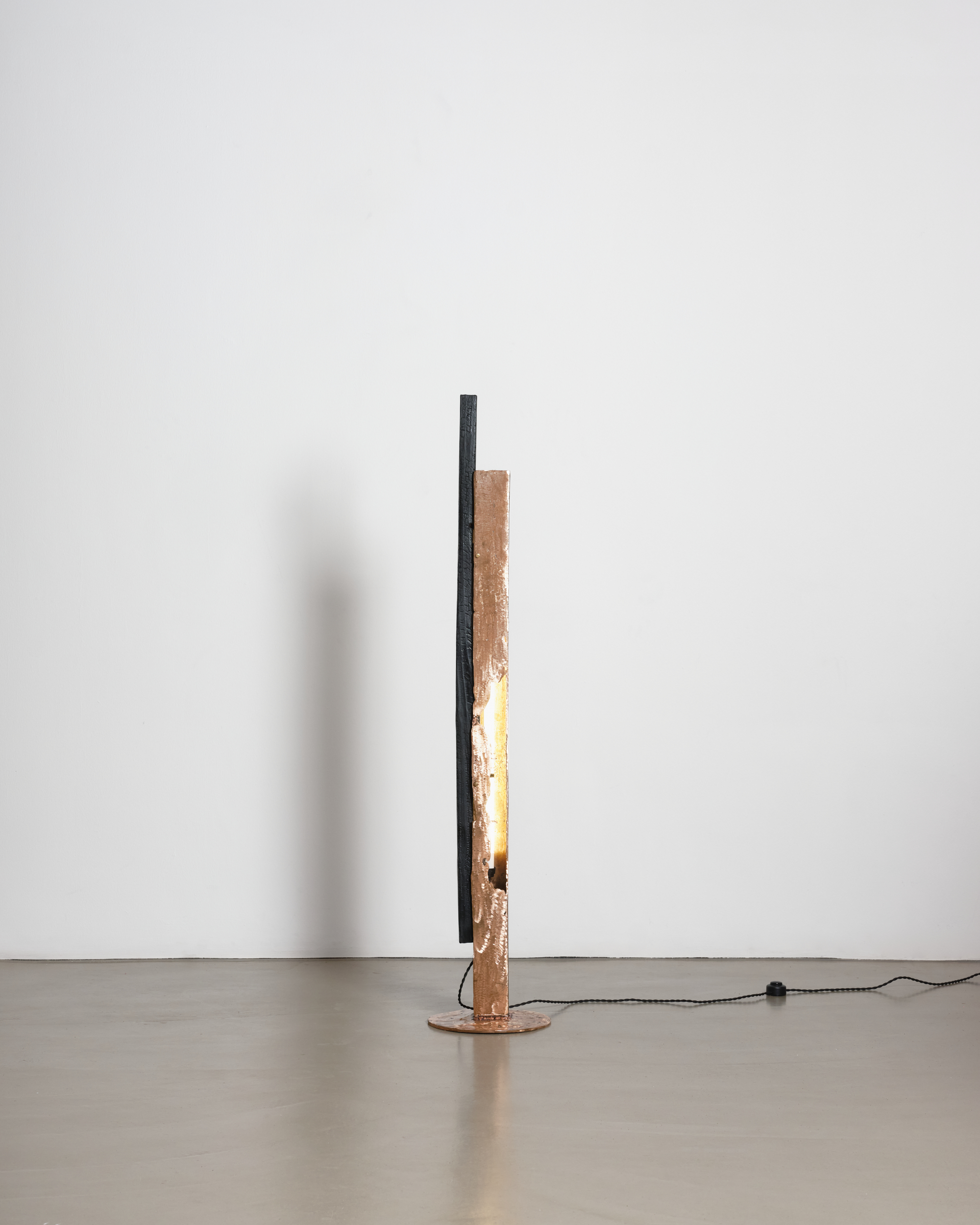
 A compilation of ORÍKÌ ACT I, ACT II and ACT III, the exhibition is a contemplative revelry on material identity and evolution with consideration of craftsmanship and handwork by Nifemi and various craftsmen. The oríkì which is the Yoruba multi-generational practice of praise poetry and spoken affirmation atmospherically holds the exhibition together, with a soundscape that features the voice of Folake Marcus-Bello, Nifemi’s mother, delivering her personalised oríkì to her son. Each ORÍKÌ Act prompts our attention and awareness to historical, geopolitical and consumer material culture; Act I: Fridge Ridge is focused on bronze, Act II: Tales By Moonlight centres around aluminium, and Act III: Whispers of a Trail engages with a copper alloy.
“Bronze stands as a symbol of the past in the context of Nigerian craftsmanship and creative exploration. The Benin Bronzes, with their intricate artistry and profound cultural symbolism, still serve as one of the most iconic examples of material identity on the continent. They remind us of a time when African societies were not just consumers of design but creators of high-value, globally admired work and not validation. The techniques used by the Benin bronze casters were refined, intentional, and deeply embedded in cultural rituals and storytelling. Here, bronze is not just a material, it’s a vessel for memory and identity.
In sharp contrast, aluminium represents our complicated present. Much of the aluminium in Nigeria today comes through second-hand goods, remnants of overconsumption in the Global North. Discarded appliances, cans, cars, and electronics find new life here, often through informal recycling economies. There’s something both resourceful and troubling about this. On one hand, it showcases local ingenuity and adaptability. On the other, it highlights the uneven flows of material and capital that continue to define our global economic systems. Aluminium becomes a reflection of global excess and local resilience.
Looking to the future, copper emerges as a key material of interest. Africa is rich in copper, particularly in regions like Zambia, where I spent some of my formative years, and the Democratic Republic of Congo, as this part of the continent is also known as the Copperbelt. Yet much of this raw material is exported without refinement, reinforcing patterns of extraction without value addition. The question then becomes: How can we imagine a future in which copper is not just mined, but refined and transformed within the continent? Can we develop systems and infrastructures that allow for material processing, innovation, and ownership? Copper becomes a symbol not just of technological potential-used in electronics, energy systems, and telecommunications—but of economic autonomy and forward-thinking design.”
Marcus-Bello, NMB (2025). Material Affirmations - ORÍKÌ Acts I-III, Past, Present, Future = Bronze, Aluminium, Copper. LBJ . Benitez-James, Oríkì: Material Affirmations in Three Acts (pp. 18 - 19). Apartamento Publishing S.L.